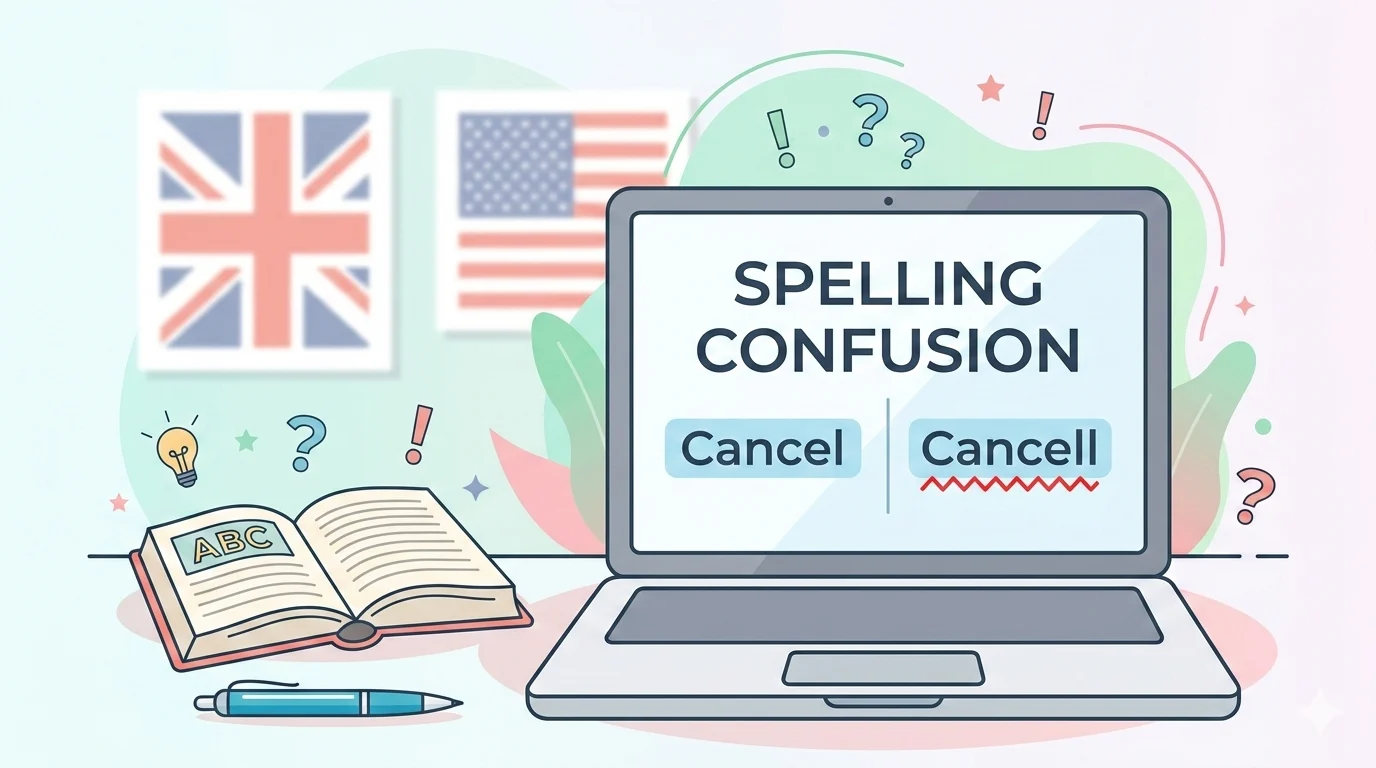
Confused between “cancel” and “cancell”? You’re not alone. Many people accidentally add an extra “l” and wonder which spelling is correct. The simple answer is: “Cancel” is the correct spelling, while “cancell” is incorrect and not recognized in standard English.
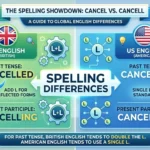
The word cancel means to call off, stop, or officially end something, such as canceling a meeting, subscription, or event. Adding an extra “l” at the end is a common typing or spelling mistake. However, keep in mind that in British English, the past tense is often written as “cancelled” (with double “l”), while American English uses “canceled.”
Understanding this difference helps you write more confidently in emails, academic work, and professional content. Say goodbye to spelling confusion and use the correct form every time. ✨
Cancel vs Cancell – Quick Answer
✅ Quick Answer:
- Cancel is correct.
- Cancell is incorrect.
There is no correct English word spelled “cancell.”
Examples:
✔ I need to cancel my subscription.
✔ The event was cancelled (UK).
✔ The event was canceled (US).
❌ I will cancell the order.
If you’re searching for Cancel vs cancell meaning, here’s the truth:
👉 “Cancell” has no meaning in English. It is a spelling mistake.
What is the Difference Between Cancel and Cancelled?
This is one of the most searched related questions.
- Cancel → Base verb (present tense)
- Cancelled / Canceled → Past tense
Example:
- I will cancel the meeting.
- The meeting was cancelled yesterday.
The difference is tense — not meaning.
The Origin of Cancel vs Cancell
The word cancel comes from the Latin word cancellare, meaning “to cross out.” It entered English through Old French in the 14th century.
The reason confusion exists today is not because of the word’s origin — but because spelling rules changed differently in American and British English.
Over time:
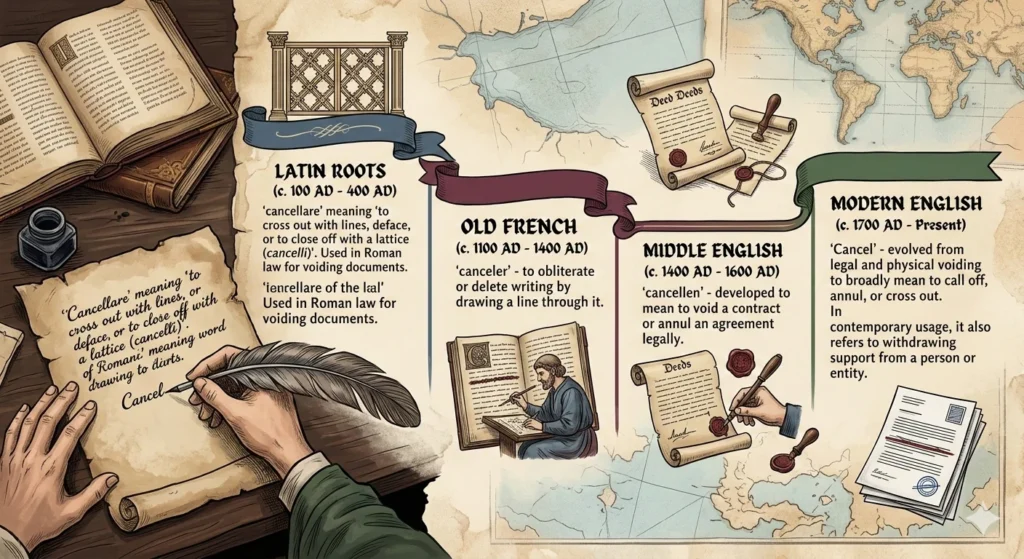
- American English simplified many double consonants.
- British English retained traditional double-letter forms.
But at no point in history was “cancell” considered correct.
This is similar to mistakes like writing “13rd” instead of “13th.” The base word exists — but the incorrect ending creates an error.
British English vs American English Spelling
This is where most confusion happens.
The debate is actually about:
- Canceled or cancelled AP style
- Cancel past tense spelling
- Cancelled or canceled Reddit discussions
Main Rule:
| Form | American English | British English |
|---|---|---|
| Base verb | Cancel | Cancel |
| Past tense | Canceled | Cancelled |
| -ing form | Canceling | Cancelling |
| Noun | Cancellation | Cancellation |
| Incorrect | ❌ Cancell | ❌ Cancell |
Key Points:
- US English → One “L” in past tense
- UK English → Double “L” in past tense
- Base form → Always single “L”
If you’re writing for the US and following AP Style, use canceled.
If writing for the UK, use cancelled.
Does the Double “L” Matter in Cancellation?
Another popular search query.
Yes — but only in certain forms.
- Cancellation always uses double “L” everywhere (US & UK).
- The difference appears only in past tense and -ing forms.
Why?
Because American spelling rules often drop a repeated consonant unless the stress falls on the final syllable.
Since the stress in “cancel” is on the first syllable (CAN-cel), American English keeps one “L” when adding -ed or -ing.
British English keeps both L’s regardless of stress.
Cancel vs Cancell Grammar Explained
From a grammar perspective:
- “Cancel” = Correct verb
- “Cancell” = Not a recognized word
It’s not a regional variation. It’s simply incorrect spelling.
Grammar tip:
If spell-check underlines “cancell,” that’s because it doesn’t exist in dictionaries.
Which Spelling Should You Use?
Your audience matters.
🇺🇸 If Your Audience Is American:
Use:
- Canceled
- Canceling
Follow AP Style for journalism and blogs.
🇬🇧 If Your Audience Is British/Commonwealth:
Use:
- Cancelled
- Cancelling
🌍 If Your Website Is Global:
Choose one style and remain consistent.
Consistency improves:
- Readability
- Professionalism
- Trust signals (important for Google’s EEAT algorithm)
Google values content that demonstrates expertise, accuracy, and consistency.
Common Mistakes with Cancel vs Cancell
Here are frequent errors people make:
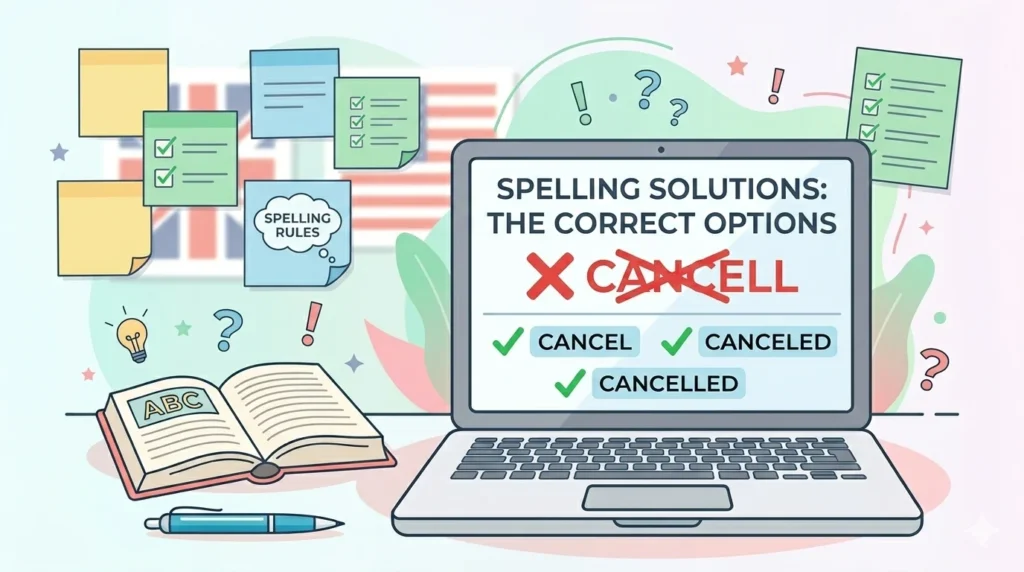
❌ Mistake 1: Writing “cancell”
Correction → Use cancel
❌ Mistake 2: Mixing styles
Example:
- The event was canceled.
- The match was cancelled.
Choose one style only.
❌ Mistake 3: Confusing cancel and delete
They are different.
What is the Difference Between Delete and Cancel?
Many users also search this.
Cancel:
Stops an action before it finishes.
- Cancel a booking
- Cancel a subscription
Delete:
Remove something permanently.
- Delete a file
- Delete a message
They are not interchangeable.
Cancel vs Cancell in Everyday Examples
Let’s look at real-world usage.
📧 Email:
We regret to inform you that your order has been cancelled.
📰 News Headline (US):
Concert Canceled Due to Heavy Rain
📱 Social Media:
Had to cancel my plans tonight 😢
📄 Business Writing:
The agreement may be canceled with 30 days’ notice.
Notice:
You will never see “cancell” in professional communication.
Cancel Past Tense Explained
Many users search: “Cancel past tense”
Correct forms:
- US → Canceled
- UK → Cancelled
Both mean the same thing.
Cancelled or Canceled – Reddit Debate
On Reddit and forums, this debate appears often.
The answer:
Both are correct — depending on location.
- Americans defend “canceled”
- Brits defend “cancelled”
But both agree that “cancell” is wrong.
Cancel vs Cancell – Google Trends & Usage Data
Search data shows:
High-volume queries:
- Cancel vs cancell meaning
- Cancel vs cancell grammar
- Cancel vs cancell examples
- Canceled or cancelled AP style
Google Trends insights:
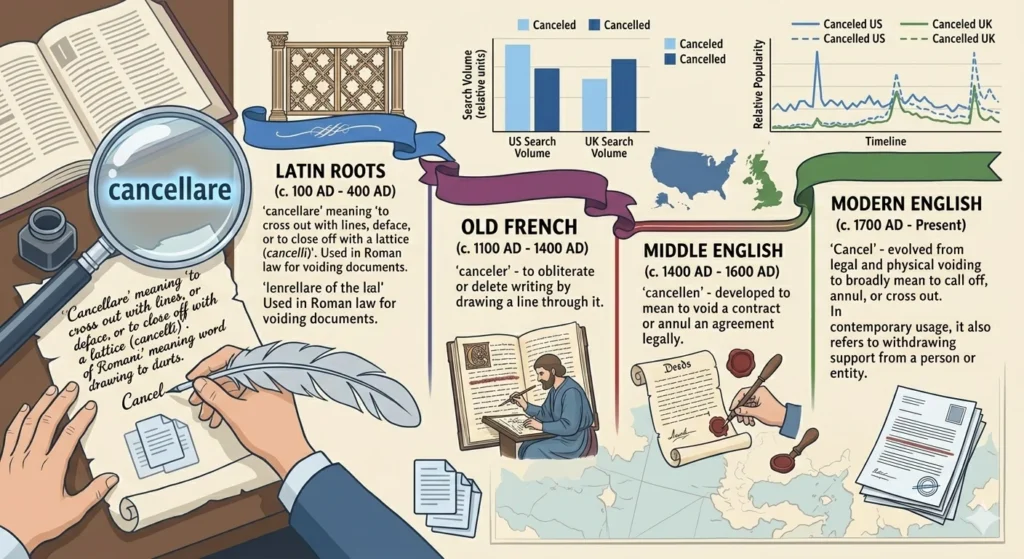
- US searches more for “canceled”
- UK searches more for “cancelled”
- “Cancell” appears mainly as typo-based searches
This shows user confusion — and that’s why this keyword ranks well when explained clearly.
Keywords Used Naturally
Primary Keyword:
- cancel vs cancell
Secondary Keywords:
- cancel vs cancell meaning
- cancel vs cancell grammar
- cancel vs cancell difference spelling
- canceled
- cancelled
- cancel past tense
LSI Keywords:
- spelling difference
- British vs American English
- double L rule
- AP style
- grammar rules
Using these naturally helps align with Google NLP systems.
Comparison Table – All Variations Side by Side
| Variation | Meaning | US Correct | UK Correct | Overall |
|---|---|---|---|---|
| Cancel | Base verb | ✅ | ✅ | ✅ |
| Canceled | Past tense | ✅ | ❌ | Regional |
| Cancelled | Past tense | ❌ | ✅ | Regional |
| Canceling | -ing form | ✅ | ❌ | Regional |
| Cancelling | -ing form | ❌ | ✅ | Regional |
| Cancellation | Noun | ✅ | ✅ | ✅ |
| Cancell | None | ❌ | ❌ | ❌ |
Why Do People Search “Cancel vs Cancell Meaning”?
Because:
- They see red spell-check underline
- They see double “L” in cancelled
- They assume base form might also double
It’s similar to ordinal confusion like:
- 13rd ❌
- 13th ✅
English rules must be applied correctly.
Final Answer – Is Cancell Ever Correct?
No.
Never.
In no country.
In no dictionary.
If you remember only one thing from this guide, remember this:
👉 Cancel is correct. Cancell is always wrong.
Conclusion
Understanding cancel vs cancell becomes simple once you separate spelling mistakes from regional variations. “Cancell” is not a valid English word — it’s just a common typo. The real confusion lies between canceled (American English) and cancelled (British English). Both are correct depending on your audience, but the base verb is always spelled cancel with a single “L.”
This confusion is similar to mistakes like writing “13rd” instead of “13th.” English has rules, and once you understand them, the errors disappear. For professional writing, blogs, journalism, or business communication, choosing the correct regional spelling and staying consistent builds credibility and trust — key factors aligned with Google’s EEAT standards.
If you’re targeting US readers, use canceled. If your audience is in the UK or Commonwealth countries, use cancelled. And if you ever type “cancell,” delete that extra L immediately.
Now you can confidently explain the cancel vs cancell difference spelling and write without hesitation.

H.E. Bates was an English author known for his vivid rural stories and warm, human-centered tales, blending gentle humor, emotion, and rich countryside life.